12 Best Drug and Alcohol Rehab Centers in Ohio 2026: Detox, Residential & Insurance Options
The Best Rehab Facilities in Ohio 2026
Ohio’s addiction treatment needs vary, from large urban areas like Columbus, Cleveland and Cincinnati to Appalachian communities where transportation, housing and access to care can affect recovery. This page helps you compare Ohio rehab centers by location, level of care, treatment services, payment options and other details that may shape your decision.
Why Trust This List?
Our team of experts used a combination of verified data, client reviews, accreditation standards and state licensing information to complete this list of the best rehabs in Ohio. Each facility listed here meets stringent quality benchmarks and offers services designed to support long-term recovery.
This page was medically reviewed by Dr. Matthew Parker to ensure accuracy and clarity.
Last reviewed: June 30, 2026
Compare the Best 12 Rehab Centers in Ohio
| Rehab Center | Detox | Residential | Dual Diagnosis | Outpatient |
|---|---|---|---|---|
| #1 Woodlands Grove Recovery Campus | Yes | Yes | Yes | No |
| #2 Ohio Addiction Recovery Center | Yes | Yes | Yes | Yes |
| #3 Findlay Recovery Center | Yes | Yes | Yes | Yes |
| #4 The Ridge Ohio | Yes | Yes | Yes | Yes |
| #5 The Recovery Village Columbus | Yes | Yes | Yes | Yes |
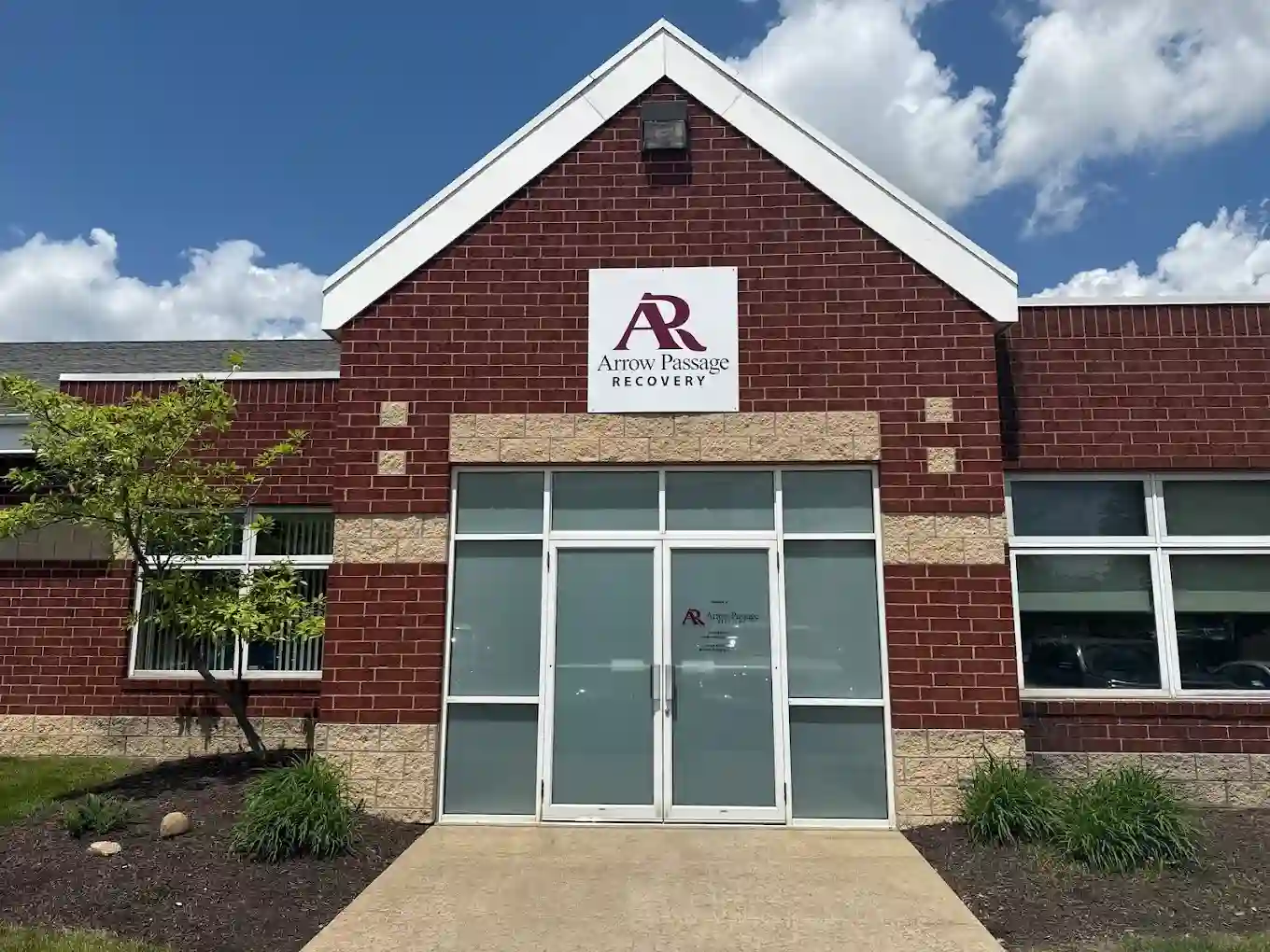
| #6 Arrow Passage Recovery | No | Yes | Yes | Yes |
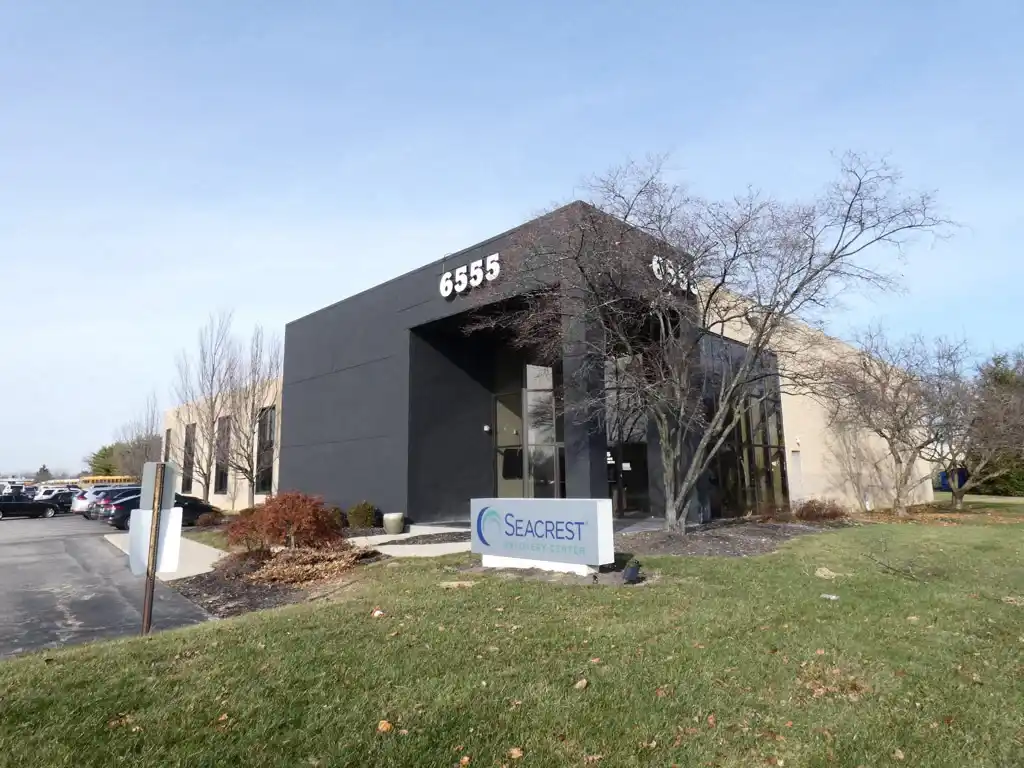
| #7 Seacrest Recovery Center | Yes | No | Yes | Yes |
| #8 Wellbrook Recovery | Yes | Yes | Yes | Yes |
| #9 Hope Valley Recovery | Yes | Yes | Yes | Yes |
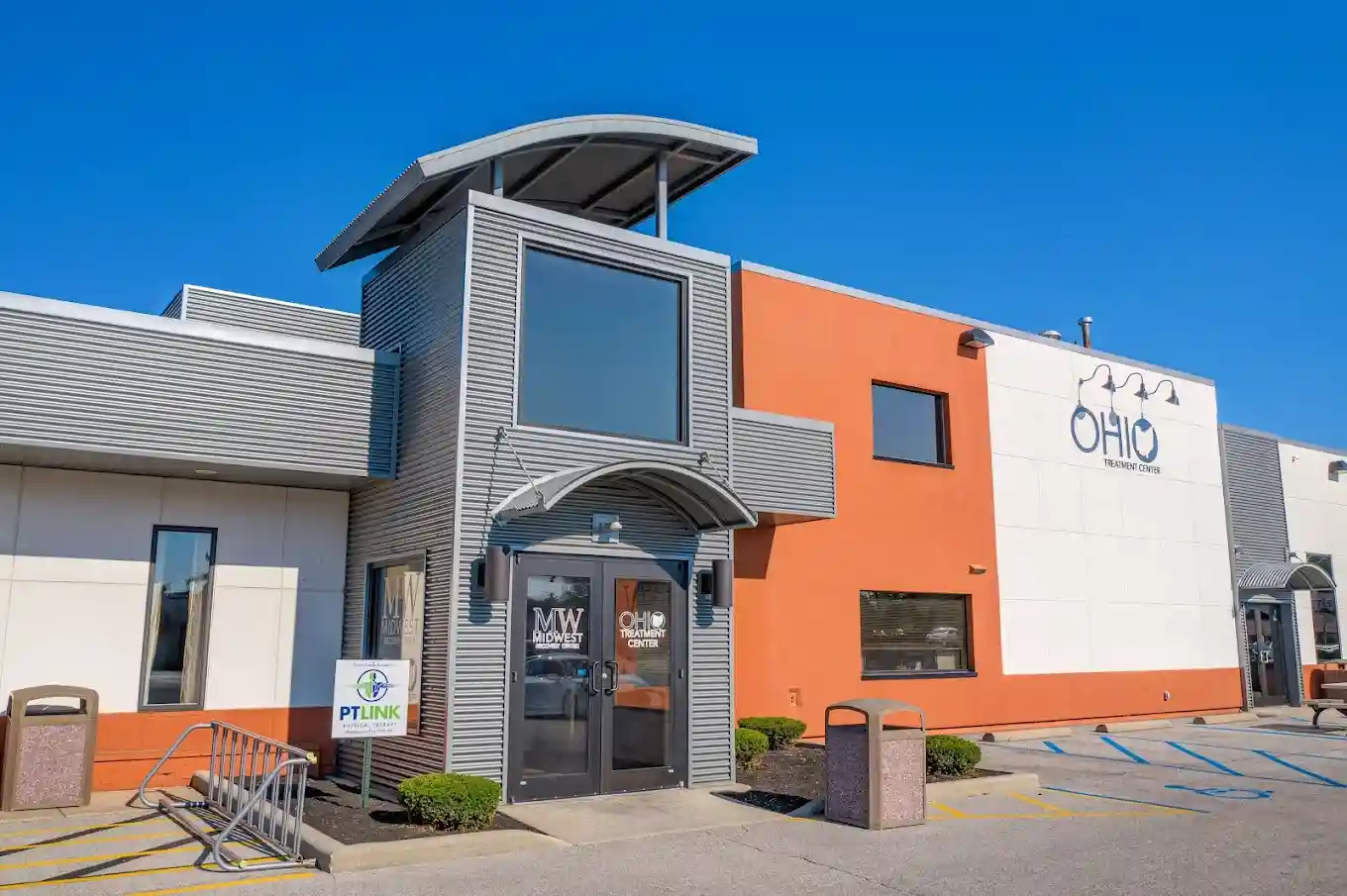
| #10 Ohio Treatment Center | Yes | No | Yes | Yes |
| #11 Recovery Institute of Ohio – Sandusky | Yes | Yes | Yes | Yes |
| #12 Legends Recovery Center | Yes | Yes | No | Yes |
Show more
Table of contents
- Woodlands Grove Recovery Campus
- Ohio Addiction Recovery Center
- Findlay Recovery Center
- The Ridge Ohio
- The Recovery Village Columbus
- Arrow Passage Recovery
- Seacrest Recovery Center
- Wellbrook Recovery
- Hope Valley Recovery
- Ohio Treatment Center
- Recovery Institute of Ohio – Sandusky
- Legends Recovery Center
Detailed Reviews of the Top 12 Rehab Centers
1. Woodlands Grove Recovery Campus
4.7 (82)
419-574-5075
Show URL address
Woodlands Grove Recovery Campus
Best For: Adults seeking nature-immersive residential or long-term treatment for alcohol, drug or co-occurring disorders, particularly those who haven't achieved lasting sobriety in shorter programs.
The Joint Commission
LegitScript
Ohio Mental Health & Addiction Services (OMHAS)
Levels of Care: Medical Detox | Residential/Inpatient | Medication-Assisted Treatment (MAT) | Dual Diagnosis Treatment | Aftercare Planning
Why We Selected Woodlands Grove Recovery Campus
Most Ohio rehabs operate out of converted buildings or medical-style campuses. Woodlands Grove Recovery Campus is set on 44 acres of woods and open land in Van Wert, Ohio, and integrates this natural setting into its drug and alcohol treatment through horticultural therapy, animal-assisted therapy and fitness-based programming. These programs are built into the daily schedule rather than offered as extras, putting Woodlands Grove Recovery Campus in a different category than typical urban and suburban facilities.
Your care team of master’s-level therapists, psychiatric nurse practitioners and a dedicated MAT coordinator remains the same from medically supervised detox through discharge. There are no handoffs, so you don’t start the therapeutic process over with someone new at each phase. This consistency makes a difference, especially if you’re dealing with depression, anxiety or PTSD on top of addiction. You also have access to a triple-board-certified psychiatrist, addiction specialist and internal medicine physician qualified to treat mental health conditions, addiction and the physical health issues that often accompany these conditions. This depth of expertise is uncommon in residential treatment and means complex cases don’t require outside referrals for care.
Woodlands Grove Recovery Campus staff address co-occurring disorders at the same time rather than separately to support better outcomes. In addition to 30-day residential alcohol and drug treatment programs, Woodlands Grove Recovery Campus offers long-term tracks starting at 90 days and extending to 2 years for clients with complex addiction histories or multiple prior relapses. Longer treatment offerings make it one of the few Ohio programs built for people who haven’t found lasting recovery in shorter treatment settings.
Good Fit For:
- Adults who’ve completed shorter treatment programs without lasting success
- People with opioid or alcohol use disorders who want Medication-Assisted Treatment with a dedicated MAT coordinator as part of their individualized care plan
- Individuals managing co-occurring anxiety, depression or PTSD along with addiction who need both conditions treated simultaneously by a consistent multidisciplinary team
- Clients who thrive in hands-on, nature-based settings
- Those who prefer a rural campus and the distance it provides from the people and places connected to their addiction
May Not Be the Best Fit For:
- Those who want outpatient step-down programs within the same facility after residential treatment
- Those who can’t step away from work, caregiving or family obligations for an extended residential stay
- Those seeking treatment for behavioral addictions, such as gambling, gaming or compulsive spending
Questions to Ask Before Admission:
- How does the clinical team evaluate whether I’m a good candidate for the extended long-term track?
- Since detox takes place in a separate cottage, how does the care team manage that transition to maintain continuity in my treatment?
- How is the MAT coordinator’s role different from my primary therapist’s?
- Will psychiatric services and medication management be handled fully on-site throughout my residential stay?
- Does Woodlands Grove Recovery Campus have established relationships with outpatient providers in my home area for step-down care after discharge?
2. Ohio Addiction Recovery Center
4.8 (498)
614-665-6358
Show URL address
Ohio Addiction Recovery Center
Best For: Adults seeking a full continuum of care from detox through outpatient treatment in a single program, including those in specialized populations, such as veterans, first responders and healthcare professionals
Joint Commission
LegitScript
National Association of Addiction Treatment Providers (NAATP)
Ohio Department of Mental Health and Addiction Services
Levels of Care: Medical Detox | Inpatient | Dual Diagnosis Treatment | Partial Hospitalization (PHP) | Intensive Outpatient (IOP) | Outpatient | Sober Living
Why We Selected Ohio Addiction Recovery Center
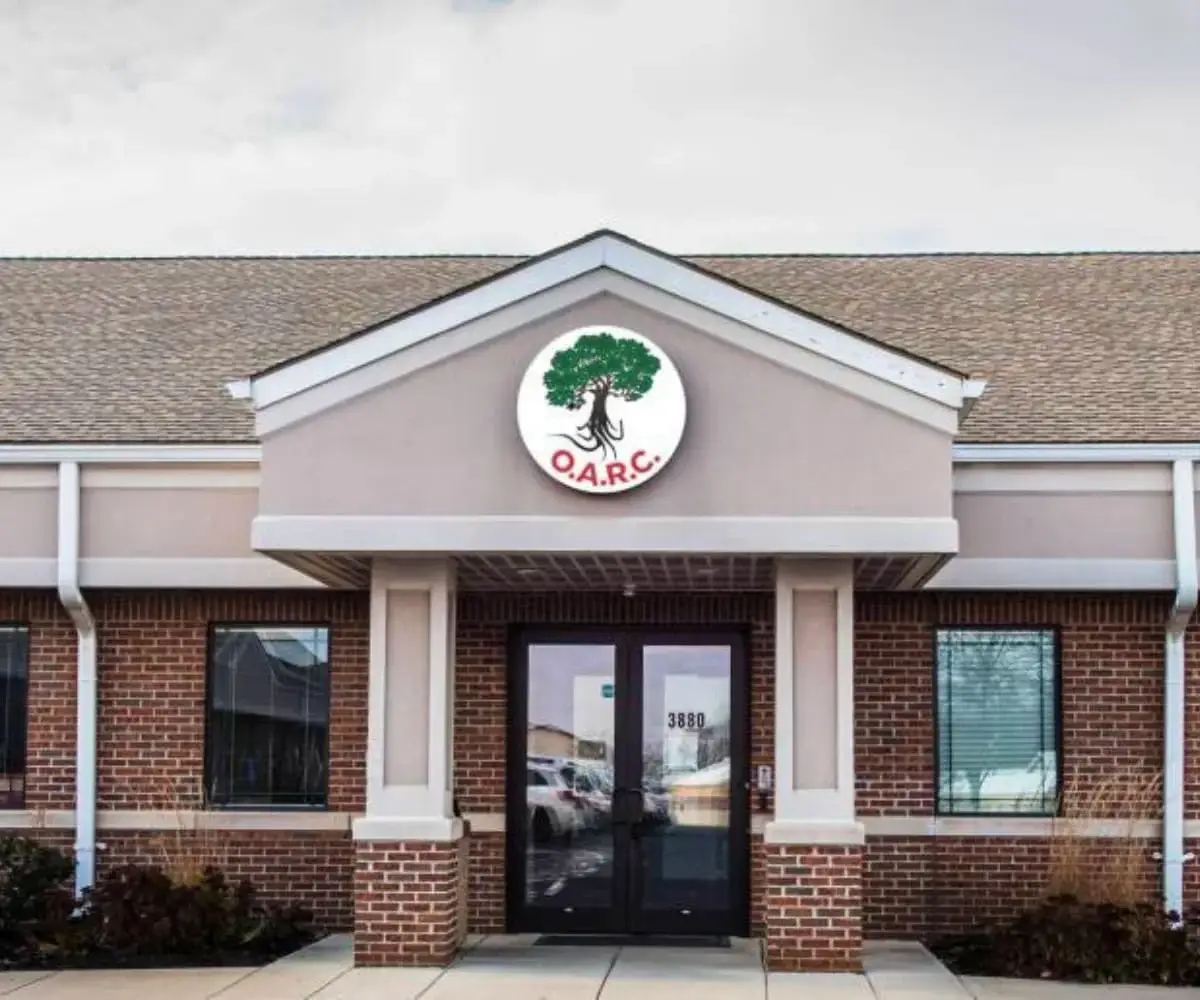
Ohio Addiction Recovery Center (OARC) has been ranked the #1 addiction treatment center in Ohio by Newsweek for four consecutive years [2022, 2023, 2024 and 2025]. The facility has operated in Grove City, just outside Columbus, for more than a decade and offers one of the most comprehensive programs in the state. It takes clients from medically supervised detox through inpatient rehab, partial hospitalization (PHP), intensive outpatient treatment (IOP) and outpatient care, all within the same treatment facility.
For people who come with more complex needs, OARC has dedicated tracks for veterans, first responders, healthcare professionals and executives, groups that often don’t fit neatly into standard treatment programs. The facility also provides complimentary transportation throughout Ohio and into neighboring states, making it a realistic option for people well beyond the Columbus area.
Many of OARC’s staff are in recovery themselves, and that shapes the day-to-day experience. Clients describe the environment as supportive and community-focused rather than clinical, with game nights, an active alumni program and counselors who understand addiction from personal experience.
Good Fit For:
- Adults who want to complete the full range of treatment within the same campus rather than transferring to a new facility at each step
- Veterans, first responders, healthcare professionals and executives looking for a program with tracks built around their specific backgrounds
- Those who prefer a suburban campus setting over a rural or secluded environment
- People who do well in a community-oriented environment with strong peer support and an active alumni network
- Individuals who need same-day admission
May Not Be the Best Fit For:
- Parents who need to bring young children to residential treatment
- Couples seeking treatment at the same facility
- Clients whose mental health needs require a higher level of psychiatric care than OARC’s dual diagnosis program provides
Questions to Ask Before Admission:
- Are the specialized tracks for veterans, first responders and healthcare professionals separate from or integrated with the regular programs?
- What happens if my insurance coverage ends before I complete the full recommended program?
- How does the clinical team decide between the dual diagnosis track and the inpatient mental health program?
- How far is the sober living housing from the treatment facility?
- In what ways do staff members who are in recovery personally interact with or support clients during treatment?
3. Findlay Recovery Center
4.7 (358)
855-605-0129
Show URL address
Findlay Recovery Center
Best For: Adults seeking addiction treatment with a comprehensive mental health program, including LGBTQ+ individuals, first responders and those managing serious co-occurring conditions that go beyond standard dual diagnosis care.
ASAM Levels Of Care: Level 3.5, Level 3.7
Joint Commission
Better Business Bureau
LegitScript
Ohio Department of Mental Health and Addiction Services
Levels of Care: Medical Detox | Medication-Assisted Treatment (MAT) | Residential/Inpatient | Dual Diagnosis Treatment | Partial Hospitalization (PHP) | Intensive Outpatient (IOP) | Outpatient | Sober Living
Why We Selected Findlay Recovery Center
Findlay Recovery Center (FRC) is located in Findlay, Ohio, between Toledo and Columbus, and offers medical detox, residential treatment, partial hospitalization (PHP), intensive outpatient (IOP) care and sober living housing. The depth of its mental health program separates it from many other Ohio addiction programs. It works with clients managing schizophrenia, psychosis and suicidal ideation at the same time as drug addiction, going beyond standard dual diagnosis treatment.
Semiprivate rooms with en suite bathrooms, a 24/7 cafeteria, an on-site salon and spa and a lounge give clients a more comfortable place to stay compared to a clinical setting. Findlay Recovery Centers meets extensive needs by offering cognitive behavioral therapy (CBT), medication-assisted treatment (MAT) and other evidence-based approaches, along with alternative treatment options, such as wilderness therapy and animal-assisted therapy. It also has dedicated tracks for LGBTQ+ individuals, college students, veterans, first responders and professionals, providing focused care to groups that don’t always find a good fit in a standard program.
Good Fit For:
- Individuals managing serious co-occurring conditions, such as schizophrenia, psychosis or bipolar disorder, that go beyond what standard dual diagnosis programs typically address
- College students who need a program that understands the specific pressures of that stage of life
- LGBTQ individuals looking for a dedicated program track and an affirming treatment environment
- Those who benefit from outdoor and animal-based therapy as part of their treatment
- Those who want family members actively involved in their treatment through a formal family therapy program
May Not Be the Best Fit For:
- Those who want a private room, as the facility offers semiprivate accommodations
- Those in acute psychiatric crisis who need hospital-level stabilization before beginning treatment
- Clients who don’t live in Ohio, Indiana, Pennsylvania, Kentucky, Michigan or West Virginia, as these are the only states listed as those FRC serves
Questions to Ask Before Admission:
- How is wilderness therapy structured into the residential schedule?
- Are clients in the LGBTQ+ program track in separate groups or integrated with everyone else?
- How does the clinical team decide when a client with severe mental health symptoms needs to be transferred to a hospital?
- Does the family therapy program require family members to travel to Findlay for in-person sessions?
- For clients transitioning from residential to IOP, is housing available near the Findlay campus?
4. The Ridge Ohio
4.7 (220)
513-905-4512
Show URL address
The Ridge Ohio
Best For: Professionals, executives and individuals seeking physician-led residential treatment in a private luxury setting, especially licensed professionals who need an Ohio Physicians Health Program (OPHP) for licensing compliance.
Joint Commission
Better Business Bureau (A+ Rating)
LegitScript
Ohio Department of Mental Health & Addiction Services
Ohio Physicians Health Program
Levels of Care: 72-Hour Evaluation | Medical Detox | Residential Inpatient | Dual Diagnosis Treatment | Partial Hospitalization (PHP) | Intensive Outpatient (IOP) | Outpatient | 52-Week Aftercare
Why We Selected The Ridge Ohio
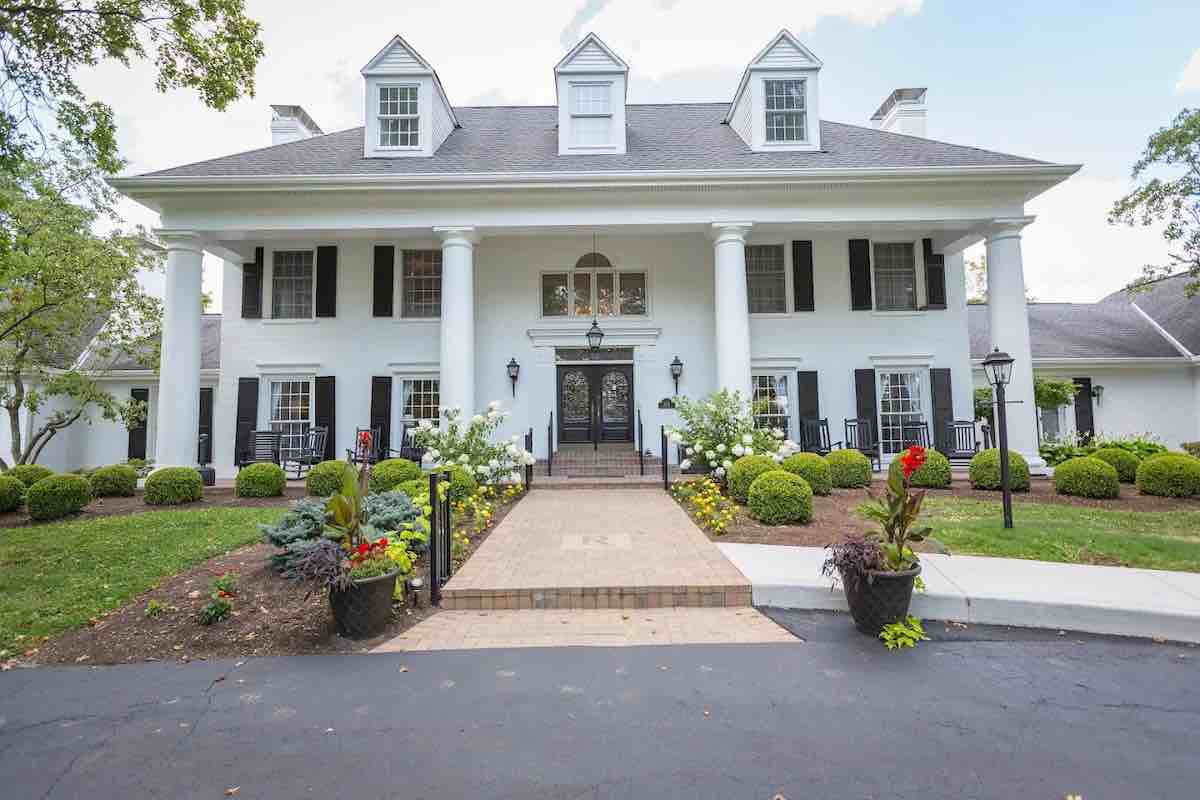
Founded in 2011, The Ridge Ohio operates on a 51-acre private estate in Milford, 20 minutes east of Cincinnati, with a second location in Columbus. The program is led by a full-time board-certified addictionologist and supported by 24/7 physician and nursing coverage, with a 4:1 staff-to-client ratio throughout residential treatment. Joint Commission-accredited and certified by the Ohio Department of Mental Health and Addiction Services (OMHAS), The Ridge brings a level of medical oversight to residential care that most Ohio programs don’t match.
The Ridge is one of a small number of Ohio facilities approved by the Ohio Physicians Health Program (OPHP), making it one of the few options in the state that can fulfill the treatment and evaluation requirements imposed on physicians, nurses and other licensed healthcare professionals facing licensing board review or monitoring. Its 72-hour evaluation program produces documentation that meets credentialing and licensing board requirements, a service most treatment programs aren’t equipped to provide.
Post-discharge support at The Ridge also goes beyond what most programs offer. The Recovery for Life program provides 52 weeks of structured aftercare, including regular community meetings and peer engagement, giving clients a full year of continued support after leaving residential treatment. Chef-prepared meals, acupuncture, music therapy, yoga and 1.5 hours of daily fitness round out an approach to treatment that addresses the whole person and not just the addiction.
Good Fit For:
- Physicians, nurses, attorneys and other licensed professionals whose licensing board requires treatment at an OPHP-approved facility
- Those who want physician-led residential care with 24/7 medical coverage and a low staff-to-client ratio
- Individuals who want structured long-term support after treatment through a formal 52-week aftercare program
- Those who prefer a private, secluded estate setting with luxury amenities
- People who want acupuncture, music therapy, daily fitness sessions or other wellness therapies included in their treatment plan
May Not Be the Best Fit For:
- Those covered by Medicaid, CareSource, Paramount, Buckeye or state-funded insurance, which The Ridge doesn’t accept
- Those managing schizophrenia, active psychosis, severe personality disorders, active suicidal ideation that requires crisis-level support or acute mental health crisis beyond The Ridge Ohio’s dual diagnosis program, which addresses depression, anxiety, PTSD and bipolar disorder only
- Those who need extended residential treatment, as The Ridge’s long-term support model is built into its 52-week outpatient aftercare, not extended inpatient stays
Questions to Ask Before Admission:
- For healthcare professionals enrolled through OPHP, does The Ridge report treatment participation to the licensing board automatically or only when the board requests it?
- Does the 4:1 staff-to-client ratio apply to PHP and IOP, or is it specific to residential treatment?
- How does the transition into the 52-week Recovery for Life aftercare program work after residential discharge?
- For the couples counseling program, does one partner need to be enrolled in residential treatment, or can sessions be scheduled independently?
- What does a typical daily residential schedule look like in terms of structured clinical time versus personal time?
5. The Recovery Village Columbus
4.4 (350)
614-362-1686
Show URL address
The Recovery Village Columbus
Best For: Adults seeking physician-led treatment with VA benefit access, a dedicated mental health program separate from addiction care or recovery options not based on traditional 12-step programming.
Joint Commission
LegitScript
National Association of Addiction Treatment Providers (NAATP)
National Board for Certified Counselors (NBCC)
Substance Abuse and Mental Health Services Administration (SAMHSA)
Levels of Care: Medical Detox | Medication-Assisted Treatment (MAT) | Inpatient Drug & Alcohol Rehab | Inpatient Mental Health Rehab | Dual Diagnosis Treatment | Partial Hospitalization (PHP) | Intensive Outpatient (IOP) | Outpatient | Aftercare
Why We Selected The Recovery Village Columbus
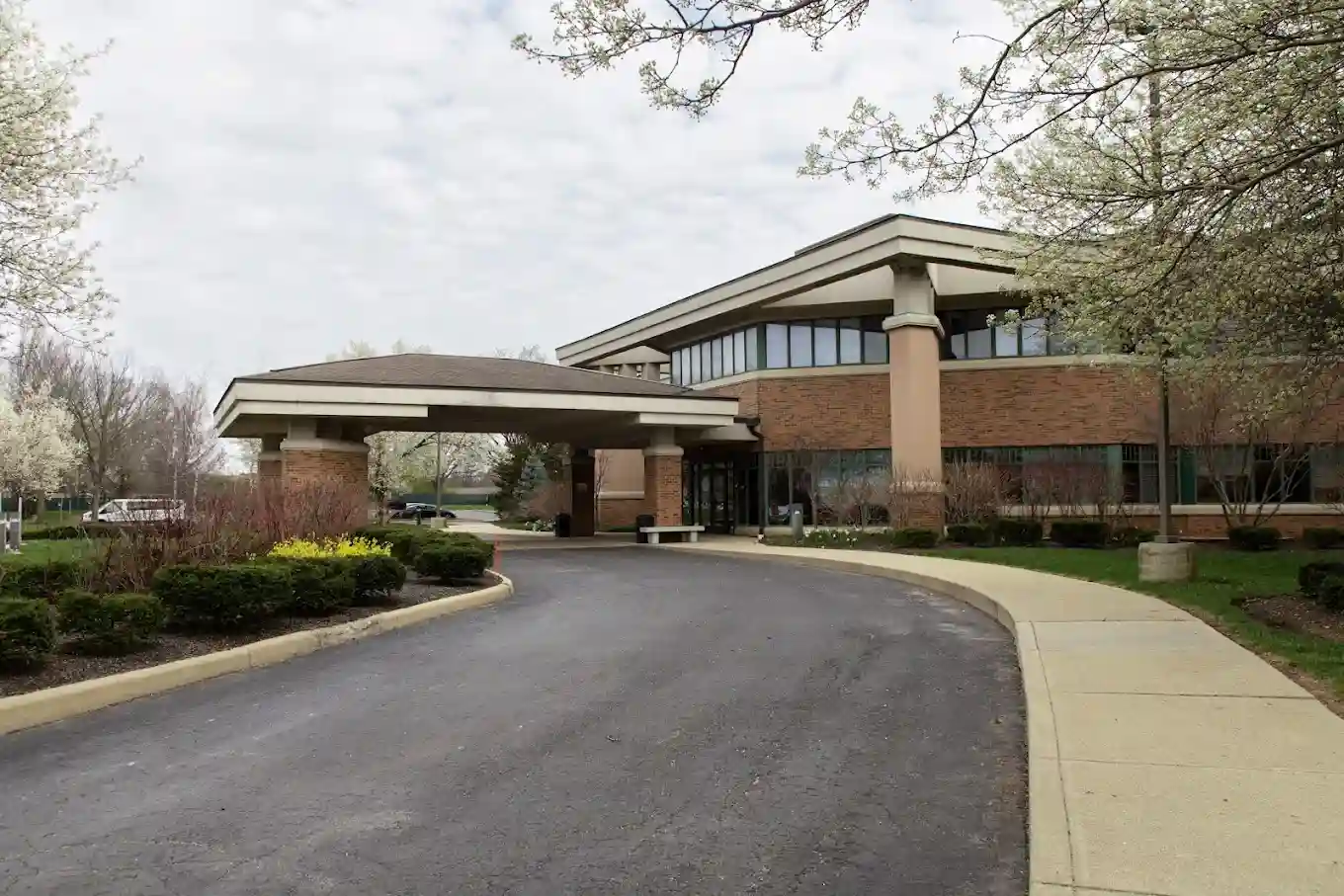
The Recovery Village Columbus (RVC) opened in 2017 as part of The Recovery Village’s national network of physician-led treatment centers. The 52,000-square-foot campus in Groveport is just 10 miles southeast of downtown Columbus, with easy access from I-270 and both major Columbus airports. In addition to the full continuum of addiction care, this facility runs a dedicated inpatient mental health program, making it unique among many Ohio residential programs that only treat mental health secondary to a substance use diagnosis, not as a primary condition.
Veterans’ access is another standout offering at RVC, which participates in the VA Community Care Network (CCN). Eligible veterans may receive treatment using VA-covered benefits when VA facilities aren’t accessible. The veteran-specific program includes EMDR and other trauma-focused therapies for combat-related PTSD, peer support with other veterans, chronic pain management without addictive medications and transition support for returning to civilian life.
The clinical options at RVC are also broader than in many programs. Clients can choose between 12-step and SMART Recovery tracks, which is beneficial for those who don’t connect with the traditional 12-step model. The case management team helps with practical concerns, such as short-term disability and Family and Medical Leave Act (FMLA) paperwork during treatment, supporting employed clients who are worried about protecting their jobs while they’re receiving care.
Good Fit For:
- Veterans and active-duty service members who qualify for VA Community Care Network benefits and want trauma-focused care
- People whose primary concern is a mental health condition and want it treated as its own diagnosis rather than secondary to addiction
- Those who want a structured alternative to 12-step programming for their recovery framework
- Employed individuals who need help managing short-term disability or FMLA paperwork during their treatment stay
- Those who need to start treatment quickly through walk-in, same-day or next-day admission
May Not Be the Best Fit For:
- Veterans who want to use their VA Community Care Network benefits and have access to timely treatment at a nearby VA facility, as they’re required to use VA facilities when available
- Those with a physical condition that requires a higher need for medical care and active supervision in a hospital
- Veterans with pending legal issues, such as being court-ordered to receive treatment
Questions to Ask Before Admission:
- What is the OASIS program, and how does it differ from the standard inpatient addiction program?
- For veterans accessing care through the VA Community Care Network, how long does the referral and approval process typically take?
- Is same-day placement always available, or can there be a wait?
- How does the SMART Recovery track differ from the 12-step track, and can clients participate in both?
- What kind of support does the case management team provide for short-term disability or FMLA paperwork?
6. Arrow Passage Recovery
4.6 (205)
866-850-3378
Show URL address
Arrow Passage Recovery
Best For: Adults seeking flexible outpatient scheduling or faith-based and gender-specific treatment options, including veterans whose recovery goals include job placement support and civilian reintegration.
Joint Commission
National Association of Addiction Treatment Providers (NAATP)
Ohio Department of Mental Health and Addiction Services
Levels of Care: Residential/Inpatient | Medication-Assisted Treatment (MAT) | Dual Diagnosis Treatment | Partial Hospitalization (PHP) | Intensive Outpatient (IOP) | Outpatient | Aftercare
Why We Selected Arrow Passage Recovery
Arrow Passage Recovery is located in northeast Ohio, a region underserved by residential treatment options. Its program covers residential treatment, partial hospitalization (PHP), intensive outpatient (IOP) and outpatient care. IOP sessions are available in the morning, afternoon or evening, making it one of the more practical options for people who can’t put work or family responsibilities on hold during treatment.
Unlike many Ohio alcohol and drug treatment programs, Arrow Passage Recovery has several options that aren’t standard across the state. For example, it offers gender-specific tracks as an alternative to coed programming. It also supports clients primarily dealing with addiction to methamphetamine, cocaine or other stimulants through the Matrix Model, a structured evidence-based therapy specifically for stimulant use disorder. Other distinct programs include faith-based treatment for those wanting their recovery grounded in spiritual beliefs and nicotine replacement therapy (NRT) as an add-on treatment.
Its veterans’ addiction and mental health program is more thorough than what most Ohio facilities offer. In addition to individual and group therapy, PTSD treatment and Eye Movement Desensitization and Reprocessing (EMDR), Arrow Passage Recovery provides formal job placement support with resume assistance and connections to veteran-friendly employers. Its program is designed to help veterans achieve sobriety and rebuild a civilian life.
Good Fit For:
- Adults needing IOP availability in the morning, afternoon and evening to work around job or family obligations
- People who prefer a gender-specific track over coed programming
- Those whose recovery is grounded in faith and want spiritual care formally included in their treatment plan
- Veterans who want a comprehensive program, with assistance in job placement and career reintegration
- Clients dealing primarily with stimulant addiction who want more focused program options
May Not Be the Best Fit For:
- Those who need specialized medical detox and don’t want to be referred to a separate partner facility
- Those needing a higher level of medical supervision or hospital-level medical services
- Those who don’t want family support to be an integral part of their treatment program
Questions to Ask Before Admission:
- Which partner facilities does Arrow Passage Recovery work with for detox before starting treatment, and how do you coordinate the transition?
- How are the gender-specific tracks structured compared to the coed program?
- Is the faith-based treatment option available to anyone or only those who request it during intake?
- Does the veteran job placement support continue after discharge or only during active treatment?
- Is the Matrix Model a separate track or is it integrated into the standard program?
7. Seacrest Recovery Center
4.6 (72)
833-820-2922
Show URL address
Seacrest Recovery Center
Best For: Adults seeking a peer recovery-driven outpatient or PHP-based program, including LGBTQ+ individuals, those facing financial barriers to treatment or those who prefer a gradual reintegration approach.
Joint Commission
LegitScript
National Association of Addiction Treatment Providers (NAATP)
Ohio Department of Mental Health and Addiction Services
Levels of Care: Detox | Dual Diagnosis Treatment | Mental Health Program | Partial Hospitalization (PHP) | Intensive Outpatient (IOP) | Outpatient | Sober Living
Why We Selected Seacrest Recovery Center
Seacrest Recovery Center’s founder is in long-term recovery, and every member of its admissions and clinical team is also in recovery, giving it a peer-informed angle that few addiction programs can claim. It’s the only Ohio treatment center featured in country/rock artist Jelly Roll’s “Save Me” documentary, a nationally broadcast film about addiction and recovery that brought considerable attention to the center’s approach.
The program uses a “Phase Back to Life” structure, moving clients from partial hospitalization through intensive outpatient (IOP) and outpatient care with reintegration as an explicit goal from the start. Resume building with a case manager is a formal part of the PHP phase, with each subsequent phase placing more emphasis on employment and real-world accountability.
Seacrest tracks client outcomes through the National Association of Addiction Treatment Providers’ (NAATP) Foundation for Recovery Science and Education (FoRSE), an independent outcomes measurement program, to give prospective clients a way to evaluate actual treatment results instead of relying on self-reported data. For those who want treatment but face true financial barriers, Seacrest has a scholarship, a rare offering among Ohio treatment centers.
Good Fit For:
- LGBTQ+ individuals who want a formally certified, affirming environment rather than one that just says it’s welcoming
- People facing financial barriers to treatment who want to explore scholarship options
- Those who respond well to a peer recovery culture, where staff members share personal recovery experiences
- Adults whose treatment would benefit from Rapid Resolution Therapy for trauma
- Those who want real treatment outcome data tracked and measured by an independent program
May Not Be the Best Fit For:
- Those seeking PHP or IOP who don’t live near Columbus and can’t attend multiple in-person sessions weekly
- Those who prefer a program without a strong 12-step emphasis, since AA/NA meeting attendance is encouraged throughout all phases of the program
- Those needing more in-depth mental health care than can be provided in an outpatient program
Questions to Ask Before Admission:
- Is medical detox provided in the same facility as residential treatment?
- How does the scholarship program work, and how do you qualify?
- What does Seacrest’s FoRSE outcomes data show about treatment completion and recovery rates?
- How is Rapid Resolution Therapy used within the program, and which clients are typically recommended for it?
- How long has the residential program been in operation, and how does it connect to the PHP and IOP phases?
8. Wellbrook Recovery
4.8 (164)
440-306-6667
Show URL address
Wellbrook Recovery
Best For: Men seeking a male-only residential program with more individualized attention through small group sizes and a broader range of therapeutic options, including evidence-based treatments combined with holistic therapies, such as Reiki and yoga.
Joint Commission
LegitScript
Ohio Department of Mental Health and Addiction Services
Psychology Today Verified
Levels of Care: Medical Detox | Inpatient/Residential | Dual Diagnosis Treatment | Medication-Assisted Treatment (MAT) | Partial Hospitalization Program (PHP) | Intensive Outpatient Program (IOP) | Aftercare
Why We Selected Wellbrook Recovery
Wellbrook Recovery is a men’s-only facility that limits its residential program to 10 clients at a time, offering a level of individual attention that most programs can’t replicate. The clinical program is broader than most. In addition to individual and group therapy, dual diagnosis treatment and Eye Movement Desensitization and Reprocessing (EMDR), Wellbrook offers board-certified music therapy, art therapy with Bilateral Guided Drawing, yoga led by an EAGALA-trained equine instructor, Holy Fire Reiki and somatic breathwork. Certified specialists deliver these therapies, which are integrated into treatment, not offered as optional add-ons.
Its alumni program is highly active. Former clients regularly return to join current clients in group meetings and outings, creating an ongoing mentorship connection between people at different stages of recovery. Clients go on supervised outings to beaches, hiking trails, salt caves and gyms. They also participate in planning and preparing their own meals to begin building practical life skills before discharge rather than after.
Good Fit For:
- Men who want a small residential setting with a low staff-to-patient ratio that allows individualized attention
- Those who respond well to creative or hands-on therapies, such as music therapy, art therapy or somatic breathwork
- Those who want access to step-down care without needing to change facilities
- Men who prefer a rural, retreat-like setting away from urban environments
- Those who value an alumni community that stays directly involved with current clients through joint meetings and outings
May Not Be the Best Fit For:
- Women, since Wellbrook Recovery is a men’s-only program
- Those needing treatment for behavioral addictions
- Those wanting medical detox on the same campus as residential treatment and not at a separate partner facility
Questions to Ask Before Admission:
- How did you arrive at the 45-day average stay, and what impacts whether stays are shorter or longer?
- Which partner facilities does Wellbrook use for detox before admission, and how is the transition managed?
- Are music therapy and art therapy offered in individual sessions, group sessions or both?
- How frequently do alumni join current clients in group meetings and outings?
- How do group therapy sessions work with only 10 clients served at a time?
9. Hope Valley Recovery
4.9 (265)
740-500-1391
Show URL address
Hope Valley Recovery
Best For: Adults seeking compassionate care in a gender-specific recovery center that prioritizes dual diagnosis treatment and provides a continuum of care, from medically supervised detox to aftercare and alumni programs.
Commission on Accreditation of Rehabilitation Facilities (CARF)
LegitScript
Ohio Department of Mental Health and Addiction Services
Levels of Care: Medical Detox | Inpatient/Residential Care | Dual Diagnosis Treatment | Partial Hospitalization Program (PHP) | Intensive Outpatient Program (IOP) | Aftercare | Transitional Living
Why We Selected Hope Valley Recovery
Offering both initial detox and stabilization services and ongoing substance use treatment, Hope Valley Recovery is one of the top rehabs in central Ohio. It provides specific programming for men and women, which can be helpful for those who’ve experienced trauma and are more comfortable around people of the same gender. Treatment options include inpatient rehab, partial hospitalization programming and intensive outpatient care, with sober living also an option for those who qualify.
Hope Valley Recovery focuses heavily on life after rehab, providing the support services and case management clients need to be successful after treatment. This can include job training, college placement, tutoring, trade school enrollment and supportive housing, depending on the individual’s unique needs.
The center’s treatment program also focuses on holistic, mind-body wellness, including nutritional education, stress management classes and one-on-one and group counseling. Family members are encouraged to participate in counseling, which can address the family’s role in addiction and how loved ones can support the client’s long-term recovery.
Good Fit For:
- Adults seeking a gender-specific substance use treatment program to help them concentrate on recovery in a safe, distraction-free environment
- Those who want to pursue additional educational opportunities during treatment, including college placement and tutoring and trade school enrollment
- Individuals who value ongoing support services after rehab, such as peer support and aftercare programs
- Clients hoping to prioritize overall wellness during treatment through Hope Valley Recovery’s exercise and yoga classes, meditation, stress management education and nutritional counseling
- Business professionals who still need access to computers and the internet while in rehab
May Not Be the Best Fit For:
- Parents or guardians seeking substance use treatment for children or adolescents
- Nonbinary clients or those who prefer an integrative, mixed-gender environment
- Those who prefer a more urban environment for recovery
Questions to Ask Before Admission:
- How often are exercise classes offered on the weekly schedule?
- Is computer and internet access monitored or limited to certain times of day?
- What evidence-based treatment modalities do providers use in individual, group and family therapy sessions?
10. Ohio Treatment Center
4.7 (77)
567-336-0893
Show URL address
Ohio Treatment Center
Best For: Individuals seeking nonresidential recovery options that include dual diagnosis care and provide aftercare planning and reentry support, such as vocational and educational coaching.
The Joint Commission
Ohio Department of Mental Health and Addiction Services
Levels of Care: Partial Hospitalization Program (PHP) | Medication-Assisted Treatment (MAT) | Dual Diagnosis Care | Intensive Outpatient Program (IOP) | Outpatient Treatment | Aftercare
Why We Selected Ohio Treatment Center
Ohio Treatment Center is part of the TruHealing family, and this Toledo location specifically offers substance use treatment and recovery care to clients with Ohio Medicaid coverage. The community-connected setting allows clients to pursue sobriety and learn the skills and tools they’ll need for long-term recovery without requiring an inpatient stay.
The outpatient program at Ohio Treatment Center offers Suboxone-based medication-assisted treatment and co-occurring disorder care for those with anxiety disorders or depression. The care team uses a combination of trauma-informed therapy, motivational interviewing and recreational therapy on an individual and group basis to help clients understand their triggers and improve overall coping skills. Family therapy is also an option when the family dynamic, codependent relationships or interpersonal conflicts contribute to addiction.
Ohio Treatment Center is accredited by both the Joint Commission and the Commission on Accreditation of Rehabilitation Facilities (CARF). This dual accreditation illustrates its commitment to quality care and a comprehensive treatment model, whether clients choose the partial hospitalization program (PHP), intensive outpatient program (IOP) or traditional outpatient treatment.
Good Fit For:
- Individuals looking for clinicians experienced in trauma-informed therapy and how trauma can impact the recovery journey
- Clients with an alcohol or opioid use disorder who are interested in medication-assisted treatment as part of their care plan
- Those who have Ohio Medicaid and need a facility that accepts that coverage
- People seeking additional coaching and resources, such as through Ohio Treatment Center’s vocational and educational support program
- Those who need flexible outpatient treatment options that can work around career and family responsibilities
May Not Be the Best Fit For:
- Clients who need to be medically stabilized through a detox program before beginning treatment
- Adults who have private insurance, as commercial insurance is accepted at the center’s sister facility, Midwest Recovery Center, which is also in Toledo
- Those seeking a residential rehab program that offers 24/7 support or more amenities
Questions to Ask Before Admission:
- How do Ohio Treatment Center’s case management services help with wraparound care and reentry after rehab?
- Does recreational therapy happen only at the center, or are there opportunities for day trips or off-site activities?
- What types of mental health disorders and traumas does the care team have experience addressing?
11. Recovery Institute of Ohio – Sandusky
4.8 (209)
888-705-0886
Show URL address
Recovery Institute of Ohio – Sandusky
Best For: Clients seeking a holistic approach to therapy and substance use treatment that integrates modalities, such as art, music and recreational therapy and includes spirituality in its model of care.
The Joint Commission
LegitScript
Ohio Department of Mental Health & Addiction Services
Levels of Care: Medical Detox | Residential Treatment | Dual Diagnosis Care | Partial Hospitalization Program (PHP) | Intensive Outpatient Program (IOP) | Outpatient Treatment | Sober Living
Why We Selected Recovery Institute of Ohio
Recovery Institute of Ohio consistently receives top ratings for its substance use and dual diagnosis treatment in Sandusky. The staff includes a registered nurse, multiple Licensed Chemical Dependency Counselors and case managers dedicated to providing wraparound support services for clients. The Executive Director and Director of Operations both have personal experience with substance use and recovery, giving them unique insight into what matters most during recovery and how best to support clients.
This facility operates on a continuum-of-care model, offering medical detox, residential treatment, a partial hospitalization program, outpatient care and sober living. It starts with a foundation centered on 12-step-based programming and helps clients expand their skills through life skills education, job coaching and stress management classes.
This program accepts some of the most common commercial insurance providers to make care more accessible. For self-pay clients, the Ben Scholarship Fund provides this Sandusky center with a mission-driven access point for uninsured individuals who see cost as one of their biggest barriers to treatment.
Good Fit For:
- Those preferring continuing care from one facility, ranging from medical detox and residential treatment to outpatient programs and sober living support
- Clients who can benefit from life skills classes and job readiness training or want to learn additional coping skills for stress and anger management
- People who prefer a more holistic approach to treatment and want to include art, music, yoga and meditation into their recovery
- Those without insurance who may be eligible for Recovery Institute of Ohio’s Ben Scholarship Fund
- Individuals seeking a treatment center that follows a 12-step-based program
May Not Be the Best Fit For:
- People dealing with behavioral addictions, such as compulsive gambling or shopping
- Those who want alternative treatment programs that aren’t based on the 12-step model or don’t include a focus on spirituality
- People who want frequent interactions with loved ones, as visitors are limited to Saturdays from 12 p.m. to 2 p.m.
Questions to Ask Before Admission:
- What are the eligibility criteria for the Ben Scholarship Fund?
- How does the Recovery Institute of Ohio handle dual diagnosis care for those with substance use disorder and mental health disorders?
- How are visitors approved, and at what point in treatment do visitations usually happen?
12. Legends Recovery Center
4.8 (140)
216-677-8177
Show URL address
Legends Recovery Center
Best For: Individuals looking for a luxury treatment center that provides both residential and outpatient treatment options and who want to stay at the same facility for medically supervised detox and ongoing step-down care.
Joint Commission
LegitScript
Levels of Care: Luxury Detox | Residential Treatment | Partial Hospitalization Program (PHP) | Intensive Outpatient Program (IOP)
Why We Selected Legends Treatment Center
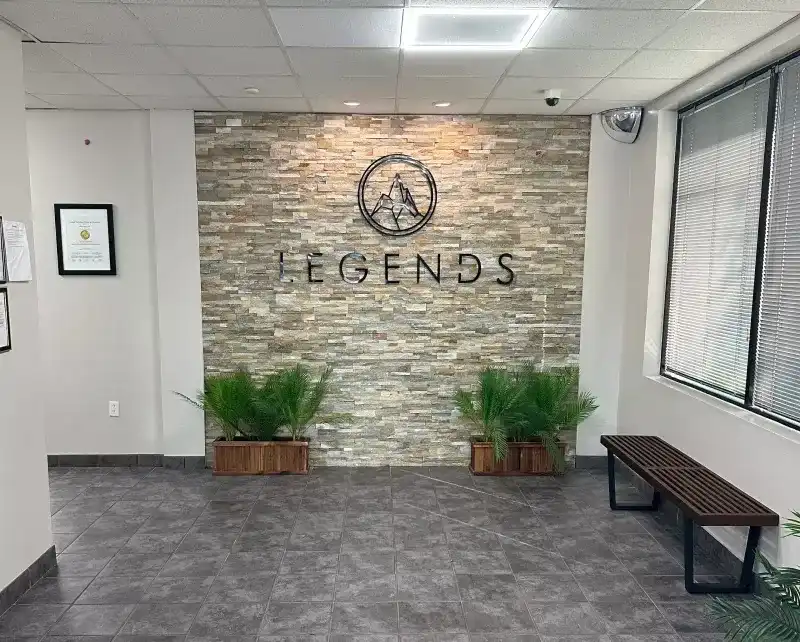
Legends Recovery Center is located in Cleveland’s Maple Heights suburb and takes a hands-on, comprehensive approach to helping clients recover from substance use. Treatment at Legends Recovery Center starts with its luxury detox program, with defined, transparent steps and comfort-centered amenities that support physical and emotional well-being. Once clients are medically stable, they can choose the level of care that meets their unique needs, including residential treatment, partial hospitalization programs and outpatient care options. Legends Treatment Center operates other locations within Ohio, including Defiance and Green Springs.
Client comfort and wellness are at the center of the programming at Legends Recovery Center, with details such as Tempur-Pedic mattresses, individual TVs with Bluetooth headphones and meals prepared by a culinary team to help create a more upscale residential experience. The facility combines these amenities with evidence-based treatment, including cognitive behavioral therapy and dialectical behavior therapy, and an experienced care team that provides family support, one-on-one counseling and group sessions across its inpatient and outpatient treatment options.
Good Fit For:
- Those seeking luxury detox and treatment for substance use disorder
- Individuals who prefer a more comfortable, homelike environment for treatment or who want specific amenities, such as Tempur-Pedic mattresses
- People who want to attend rehab in a large, metropolitan area with easy access to parks, entertainment options and public transportation
- Clients who prioritize an individualized recovery plan and a more tailored approach to substance use treatment
- Those who have jobs, families or other responsibilities and need an outpatient program or occasional virtual therapy
May Not Be the Best Fit For:
- Those managing acute mental health conditions, such as schizophrenia or personality disorders, that require a higher level of psychiatric care
- People who don’t have insurance and need flexible payment options for self-pay
- Those who prefer a more natural, secluded setting for substance use treatment
Questions to Ask Before Admission:
- What is the transition like from Legends Recovery Center detox program to residential care or the partial hospitalization program within the facility?
- When in the treatment process does family therapy start?
- What are the technical requirements for the weekend virtual therapy sessions in the partial hospitalization program?
- How does Legends Recovery Center integrate medications in treating addiction or co-occurring mental health disorders?
Questions About Drug Rehab?
If you have a question or need assistance, please fill out the form below and a representative will respond as quickly as possible.
Cost Breakdown for Substance Abuse Treatment in Ohio
Alcohol and Drug Rehab Program Costs*
The average cost for a person in Ohio who seeks residential substance abuse treatment is $56,668.
Inpatient Rehab (based on a 30-day stay):- $766.05 per day without insurance coverage
- $306.42 per day with 60% insurance coverage
- $153.21 per day with 80% insurance coverage
- $56.83 per day without insurance coverage
- $22.73 per day with 60% insurance coverage
- $11.37 per day with 80% insurance coverage
*All cost breakdowns based on a 30-day program and calculated with data compiled by the National Center for Drug Abuse Statistics.
FAQs About Drug and Alcohol Rehab in Ohio
What should I look for when choosing a drug rehab facility in Ohio?
Confirm that the drug rehab is licensed and certified by the Ohio Department of Behavioral Health (previously known as Ohio Mental Health and Addiction Services) and that the counselors and therapists working there are licensed by the Ohio Chemical Dependency Professionals Board as required by state law. Ohio also requires drug rehabs to hold national accreditation through The Joint Commission, the Commission on Accreditation of Rehabilitation Facilities (CARF) or the Council on Accreditation (COA), which verify that a facility meets established standards for safety and care. Finally, consider what levels of care are available and what your insurance covers.
Does Ohio Medicaid cover addiction treatment?
Ohio Medicaid covers a range of addiction treatment services, including detox, inpatient rehab, outpatient programs and medication-assisted treatment. Coverage and eligibility vary, so contact your county’s Alcohol, Drug and Mental Health (ADAMH) board or the treatment facility directly to confirm what your plan includes.
Do I have to go to a drug rehab facility close to home?
Not necessarily. Some people do better when they choose a facility that offers distance from their home environment and the people and places connected to their addiction. However, if outpatient treatment is part of your recovery, being close to home becomes more important since those programs require regular attendance while living at home.
Finding Alcohol And Drug Treatment In Ohio
If you or a family member are struggling with the weight of addiction, let us help you break free of that burden.