If you’re a vaper or e-cigarette user and are considering pursuing addiction treatment at a rehab facility, you may be wondering if you’ll be allowed to continue using your vape while in treatment. Each rehab center is different in terms of what it will allow, so it’s important to first check if the facility you plan on attending allows vaping if that is important to you. In this article, we explore what vaping is, whether it’s allowed in addiction rehab centers, and things to consider when it comes to using vapes or e-cigarettes.
 Trusted content
 Rehabs That Allow Vaping and E-Cigarettes | Smoking In Drug Rehab
Published: August 15, 2023
What Is Vaping?
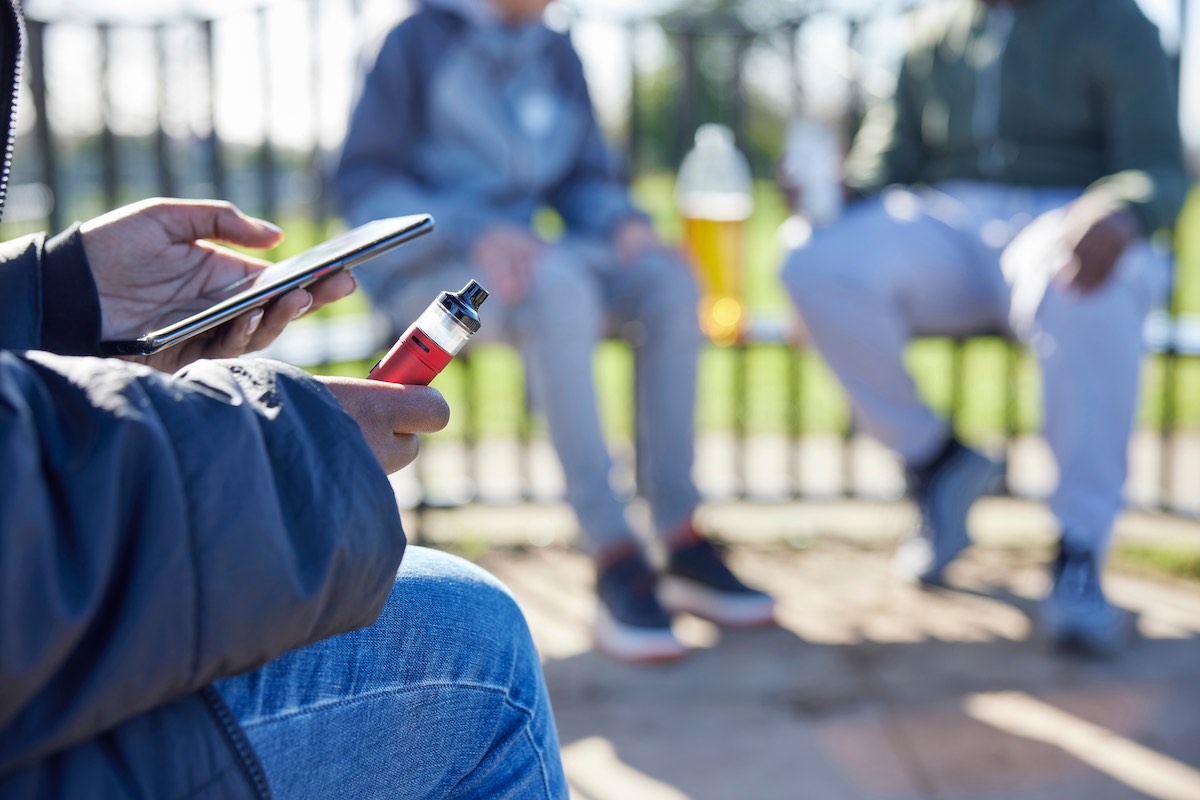
Vaping is when someone inhales and exhales aerosol (vapor) from a vaporizer (“vape”), e-cigarette, or vape pen. Unlike traditional cigarettes, vaping does not create tobacco smoke when inhaled and exhaled but rather elicits tiny particulars in the form of vapor.
Vapes typically consist of a cartridge containing the vape liquid as well as a battery, mouthpiece, and a device that heats the liquid to turn it into vapor (known as an atomizer). The battery powers the heating component when the mouthpiece is inhaled and releases the aerosol into the user’s mouth.
Most vapes contain e-liquid or e-juice consisting of nicotine as well as vegetable glycerin or propylene glycol. There may also be other chemicals that contain toxins as well as flavors to make the vapor taste better. Vapes can also be used to smoke marijuana in liquid form or even other drugs such as flakka.
Vaping, like other types of nicotine, can be highly addictive. Just as with cigarettes and more traditional ways to ingest nicotine, vapes and e-cigarettes cause users to become dependent on the drug and crave it when not vaping. For this reason, people who already vape before going into an addiction rehab program will likely want to continue vaping to prevent withdrawal symptoms and added stress during their treatment.
Do Drug and Alcohol Rehab Centers Allow Vaping?
Cigarettes have long been something associated with recovery. From rehabs to AA meetings, there were countless people sitting around drinking copious amounts of coffee and smoking pack after pack of cigarettes. While our knowledge and communal acceptance of the ill effects of cigarettes and tobacco, in general, has certainly evolved, cigarette use is still widely seen in rehab facilities all over the United States.
However, the situation with vaping is slightly different. While some people do choose to use vapes for the sole purpose of ingesting nicotine as you would a cigarette, others use vapes to ingest drugs like THC and even cocaine, heroin, and other illicit substances. This makes allowing vaping in a rehab center highly controversial and potentially dangerous for patients.
For example, let’s say a patient brings in a vape filled with marijuana juice. While that particular patient may not have an addiction to marijuana, the person he shares a room with may. Using the marijuana vape around that roommate could result in the roommate relapsing and being kicked out of treatment due to exposure to their drug of choice.
Unfortunately, unlike cigarettes, what’s in a vape or e-cigarette is not readily detectable. So, what looks like a normal, nicotine-based vape could actually contain another drug that is not permitted in a rehab facility. For this reason, rehab centers may not allow vapes or e-cigarettes but do allow the use of traditional cigarettes on their campuses.
However, some drug and alcohol addiction treatment facilities do allow the use of vaping and e-cigarettes. If you are unsure whether the rehab center you plan on attending allows vaping, call ahead to find out for sure.
What to Consider When It Comes to Addiction Treatment and Vaping
There are several things to keep in mind when deciding if you’ll continue to vape or use e-cigarettes in an addiction rehab program. The first thing to consider is the fact that nicotine can trigger some people to want to use other drugs or alcohol. In fact, smoking and alcohol abuse often coincide for many people. This means that when someone who usually drinks and smokes at the same time only smokes, they can be subconsciously triggered to want to drink. This can ultimately be detrimental to a person’s recovery from alcohol and other drug addiction.
Additionally, according to the National Institute on Drug Abuse, vaping can result in an increased risk of addiction to other substances. It can also cause damage to a person’s health. Both of these factors are counterintuitive to the goal of addiction recovery.
However, it’s important to understand that nicotine is addictive, and quitting this drug can be difficult just like with other substances. There is no rule that states you have to quit all substances at once, and quitting and recovering from one drug addiction can be challenging on its own. For this reason, it’s ultimately your decision if you will continue to use nicotine while in drug rehab.
If you have any questions about drug and alcohol rehabs that allow vaping or whether you should continue vaping while in addiction treatment, give one of our knowledgeable treatment specialists a call today. We’d love to answer your questions and help you find the addiction rehab facility that’s right for you.
Read More

Alternative Drug Treatment And Addiction Programs
Read MoreQuestions About Rehab?
Free, confidential help 24/7.
People Also Read

Read More
